

The Socialization Window You Can’t Get Back
Why What You Do Between 8 and 16 Weeks Can Shape Your Puppy for Life
One of the most important things you will ever teach your puppy has very little to do with sit, down, stay, or come.

It is teaching them that the world is a safe and normal place.
Puppies go through a very important developmental period early in life when they are especially receptive to new experiences. During this time, they are learning how to respond to people, dogs, noises, surfaces, movement, unfamiliar environments, and everything else they are going to encounter as adults.
The American Veterinary Society of Animal Behavior considers the first three months of a puppy’s life to be the most important period for socialization and supports safe socialization before the vaccination series is completely finished.
That is why the period between roughly 8 and 16 weeks matters so much.
The challenge is that this is also the same time many puppy owners hear, “Don’t take your puppy anywhere until all of their vaccinations are finished.”
That advice usually comes from a good place. Diseases such as canine parvovirus are serious, and protecting a young puppy’s health absolutely matters. But keeping a puppy isolated from the outside world for the first four months can create a different set of problems.
You have to protect your puppy from unnecessary disease exposure while still giving them safe opportunities to experience the world.
If you have a young puppy and want help building those foundations correctly, our Puppy Training program is designed around that early stage of development.
Socialization Is Not About Meeting Everyone

A lot of people hear the word “socialization” and assume it means letting their puppy meet as many dogs and people as possible.
That is not what we are trying to accomplish.
Good socialization is about helping your puppy become comfortable around things without believing they have to interact with everything they see.
Your puppy should be able to watch another dog walk past without dragging you over to say hello. They should be able to see a stranger, hear a loud truck, walk on a strange surface, or enter a new building without becoming overwhelmed.
That is the real goal.
You are teaching your puppy that new things are normal.
A well-socialized dog does not need to love every person, dog, sound, or environment. They simply need to know how to exist around those things calmly.
That neutrality becomes incredibly valuable later in life.
How to Safely Socialize an 8 to 16 Week Old Puppy
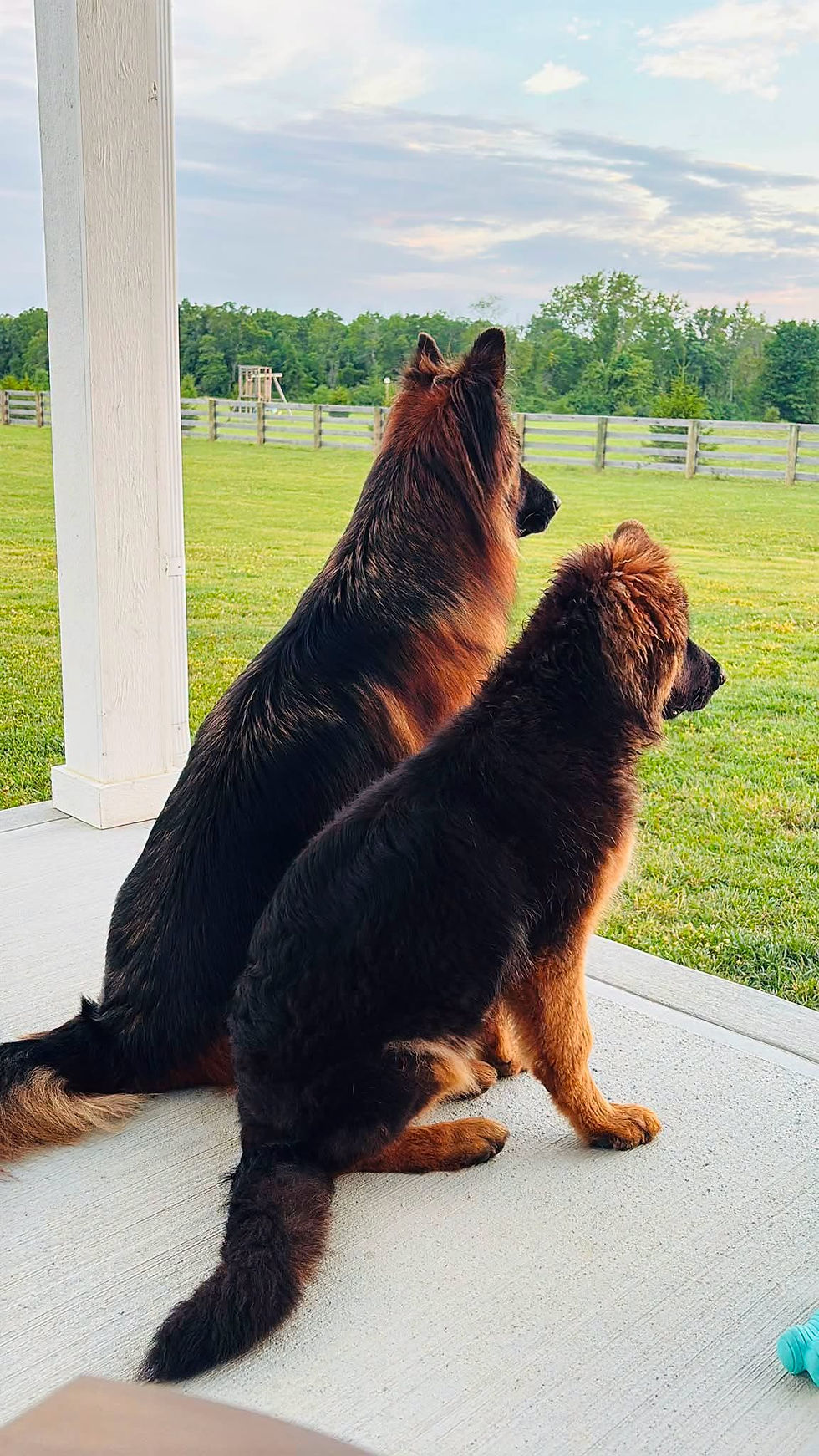
You do not have to put an incompletely vaccinated puppy on the floor of a busy pet store or take them to a dog park to expose them to the world.
There are much smarter ways to do it.
Take your puppy for car rides. Sit in a parking lot and let them watch people come and go. Carry them through pet-friendly stores when appropriate. Let them ride in a shopping cart on a clean blanket if the store allows it. Visit trusted friends who have healthy, vaccinated dogs.
At home, introduce different surfaces like grass, concrete, gravel, carpet, wood floors, stairs, and safe raised platforms.
You can also gradually expose your puppy to things they may see throughout their life, such as bicycles, umbrellas, hats, children, delivery trucks, wheelchairs, vacuum cleaners, traffic, shopping carts, automatic doors, and unfamiliar buildings.
The goal is not to cram as many experiences as possible into a few weeks.
It is to give your puppy positive, manageable experiences that teach them how to process something new without becoming afraid.
Short outings are often better than long ones. Ten calm minutes can be more valuable than an hour where your puppy becomes exhausted or overwhelmed.
Where I Would Be More Careful
Socialization should never mean being careless about disease.

Young puppies may still be vulnerable while they are completing their vaccine series, and the American Animal Hospital Association explains why puppy vaccinations are given in multiple doses during early development.
Until your veterinarian is comfortable with your puppy’s level of protection, I would be cautious about high-risk areas such as dog parks, heavily used communal potty areas, busy pet-store floors, rest-stop dog areas, and places where large numbers of unknown dogs regularly gather.
The important thing to understand is that avoiding high-risk areas does not mean your puppy has to stay locked inside your house.
You can manage disease risk without isolating them from the world.
What Happens If a Puppy Sees Almost Nothing Until 16 Weeks?
Imagine a puppy spends the first several months of its life seeing nothing outside of the house, backyard, immediate family, and maybe one or two familiar dogs.
Then suddenly they are expected to handle everything.
Cars. Children. Dogs. Shopping carts. Automatic doors. Loud trucks. Slippery floors. Crowds. New buildings. Veterinary offices. Strange noises.
For a puppy that has already experienced a variety of things in a controlled way, those situations may simply feel new.
For a puppy that has had very limited exposure, the same situations can feel overwhelming.
That uncertainty can show up as barking, lunging, freezing, excessive excitement, avoidance, or fear.
Sometimes people look at those behaviors and immediately label the dog as stubborn, aggressive, or difficult.
But sometimes the dog simply never learned how to comfortably process unfamiliar situations.
If those behaviors are already beginning to show up, our Dog Behavior Training program can help address them before they become more deeply established.
Quality Matters More Than Quantity

If your puppy is clearly frightened and you force them to stay in a situation they cannot handle, you are not building confidence. You may actually be teaching them that unfamiliar environments are stressful.
Pay attention to your puppy.
Let them observe. Give them space when they need it. Reward calm behavior. Allow them to recover after something surprises them.
The goal is to build confidence gradually, not flood them with stimulation.
This is also why your puppy does not need to physically interact with everything they see.
They do not need to greet every dog.
They do not need every stranger to pet them.
They do not need to be passed around from person to person.
In many cases, simply being able to watch something calmly and move on is exactly what we want.
Vaccination and Socialization Should Work Together
This should never become a choice between protecting your puppy from disease and socializing them.
You should be doing both.
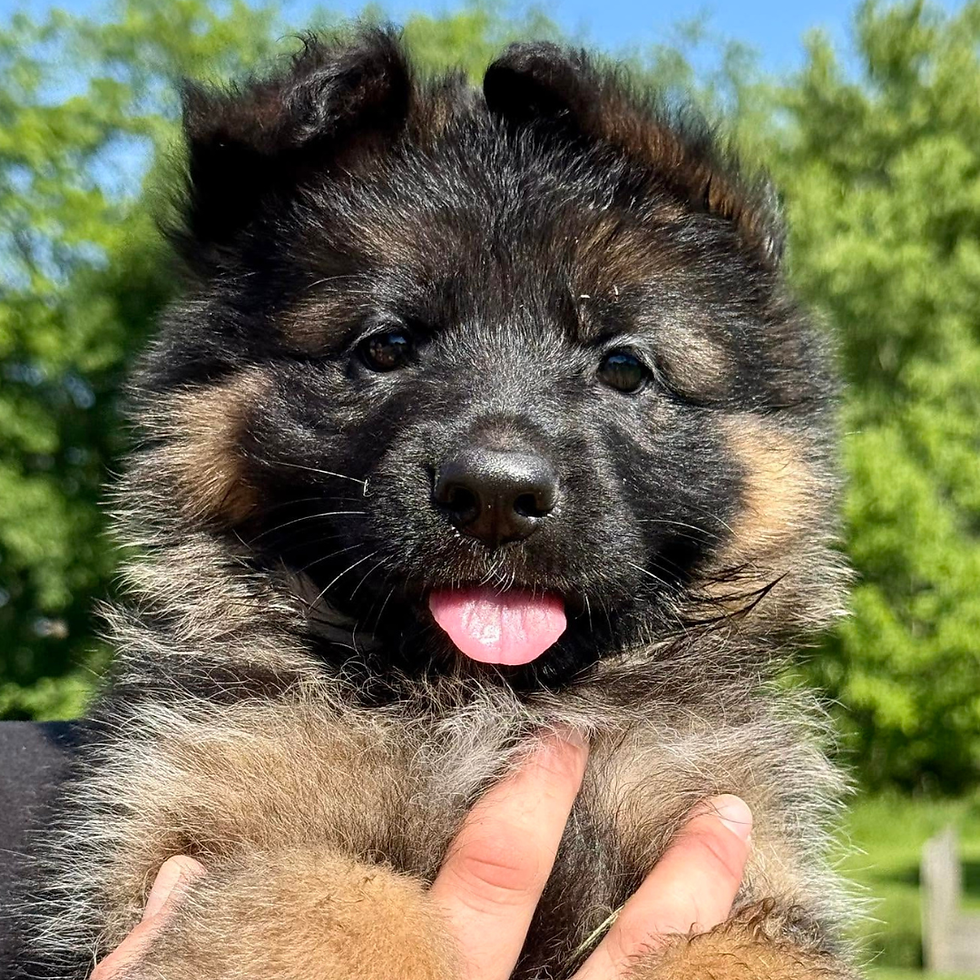
Your veterinarian knows your puppy’s vaccination history, health, local disease risk, and individual circumstances, so their guidance matters. The AAHA Canine Vaccination Guidelines are also a helpful reference for understanding how puppy vaccination schedules work.
At the same time, behavioral development does not stop while the vaccination series is being completed.
That is why organizations such as the American Veterinary Society of Animal Behavior support carefully managed early socialization instead of complete isolation.
The answer is not reckless exposure.
It is thoughtful exposure.
Training Starts the Day Your Puppy Comes Home
Do not wait until your puppy is six months old and already pulling on the leash, jumping on guests, barking at dogs, ignoring you around distractions, or becoming nervous in public before you begin training.
The easiest problem to solve is often the one that never became a habit in the first place.
Those first few months are the perfect time to begin teaching your puppy how to follow you, settle, accept a leash, focus around distractions, tolerate handling, and stay calm around people and dogs.
You also want them to learn how to recover when something surprises them.
That skill matters.
A confident dog is not a dog that is never startled. It is a dog that can experience something unfamiliar and recover without falling apart.
Those early foundations also make future Dog Obedience Training much easier because your dog has already learned how to pay attention to you and work through distractions.
You Are Raising the Adult Dog, Not Just the Puppy
When you bring home an eight-week-old puppy, it is easy to focus on what is happening right now.
Potty training. Chewing. Sleeping. Feeding. Crate training.
But that puppy is becoming an adult dog very quickly.
The habits, confidence, and coping skills they develop now can have a major impact on the dog they become later.
You cannot stop your puppy from growing, and you cannot perfectly recreate every early developmental opportunity once it passes.
So use those first weeks wisely.
Build confidence.
Build neutrality.
Build communication.
Build trust.
Because puppy training is not just about creating a dog that knows commands.
It is about creating the adult dog you want to live with for the next ten or fifteen years.
If you are raising a puppy in Columbus, Johnstown, New Albany, Westerville, Gahanna, Sunbury, or the surrounding Central Ohio area, Noble K9 can help you build those foundations the right way from the beginning.
Learn more about our Pet Training programs, view our dog training pricing, or contact Noble K9 to talk about the right training path for your puppy.
Noble K9 Training | Columbus, OhioA Better Dog. A Better Life Together.